
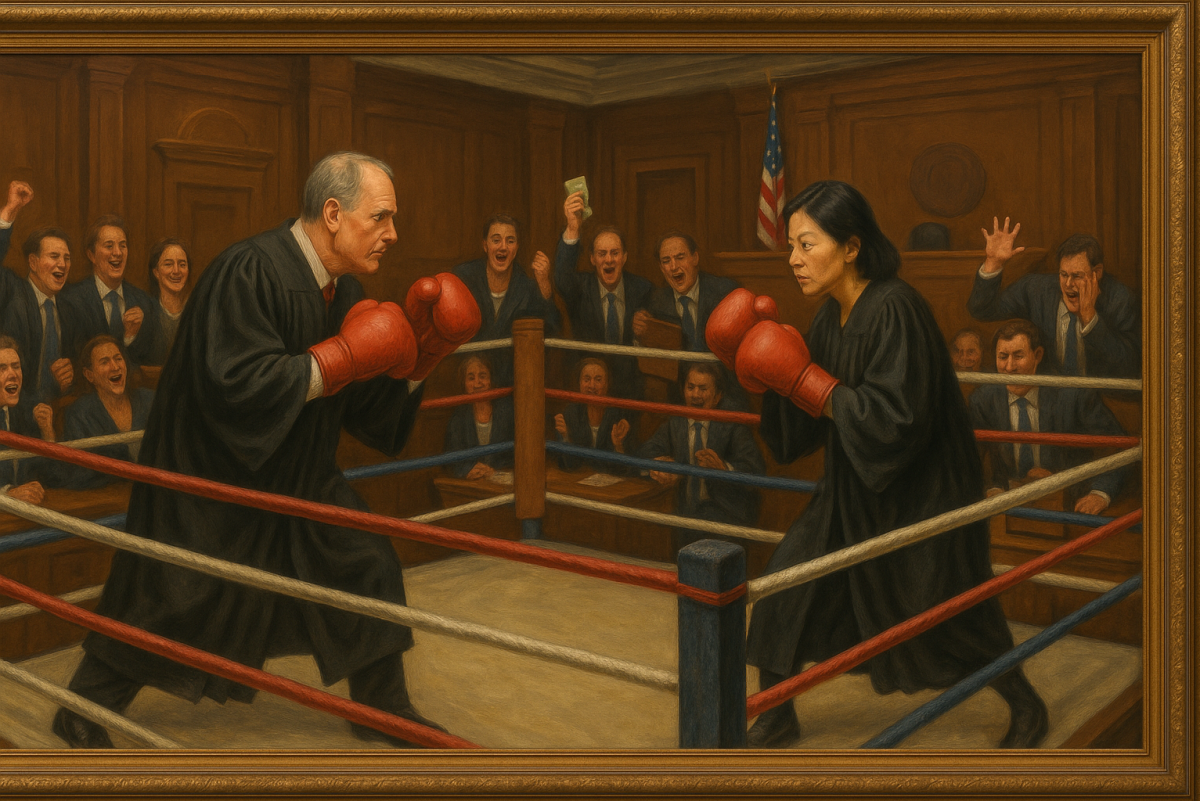
This famous dictum by Burt Dreben came to mind this past weekend while I was finishing David Laskin’s interesting (but/and/yet??) gossipy book: Partisans: Marriage, Politics and Betrayal among the New York Intellectuals. Laskin’s book came out a few years ago and is on the nextbook.org suggested reading list, which is how I discovered it. Through the female lens of wives and lovers, it examines the egos and events surrounding “the boys” who ran Partisan Review from the 30’s through the 60’s. Thus we are overwhelmed by the endless cycle of affairs and marriages in which Mary McCarthy, Jean Stafford, and Lizzie Hardwick play prominent roles, and there are some extended cameos by Diana Trilling and Hannah Arendt (nicknamed Hannah Arrogance by some). The men in this book scarcely come out better: Phillip Rahv is a brutish and libidinous autodidact, Robert Lowell is an insane and hysterical poet, Edmund Wilson, well–everyone knows about him already.
A few interesting points. Prior to the 1960’s, the New Yorker magazine was regarded as very much a trifle among intellectuals, a host to exploit only for its comparatively generous lucre. The New York Review of Books came to life while the New York Times endured a labor strike, at a time when its Book Review was thought to be even weaker than the one that afflicted readers and writers until the recent change of editorship.
And Isaiah Berlin, whose assessment of H.L.A. Hart was, shall we say, misplaced, observed that Hannah Arendt was the most overrated writer of the twentieth century. I’ve only read a few of Arendt’s books, but the old fox may be right about that one. Arendt, you may recall, not only caused a great kerfuffle when she argued (in Eichmann in Jerusalem) that the numbers of the Holocaust were greatly increased on account of the conduct of local Jewish councils in Europe, but she also posited that the government was mistaken in trying to dismantle segregation in the schools of Little Rock, claiming this was an improper conflation of the political and the social.
Anyway, Laskin’s book is useful if you know little of that period of intellectual history or if you’re interested in the gender angle on an interesting slice of intellectual history generally. Curiously, and perhaps tellingly, he notes that virtually all of the female figures in his book were basically hostile to the feminism of Betty Friedan and those who followed her; their sense, he reports, is that they were able to be successful writers and wives/domestic goddesses, and so, they harumphed, why can’t the others be too?
Of course the men felt no such obligation, according to Laskin; they are luftmenschen, and like Aristophanes’ mockery of Socrates, they are farting up in the clouds.
Posted by Administrators on May 3, 2005 at 08:45 AM
Comments
I had no idea you read such books, Dan! And you like the feminist angle too?!
I wonder about the sexual politics of PR’s self-proclaimed heir, http://www.nplusonemag.com/.
Posted by: Ethan Leib | May 3, 2005 9:39:30 AM