
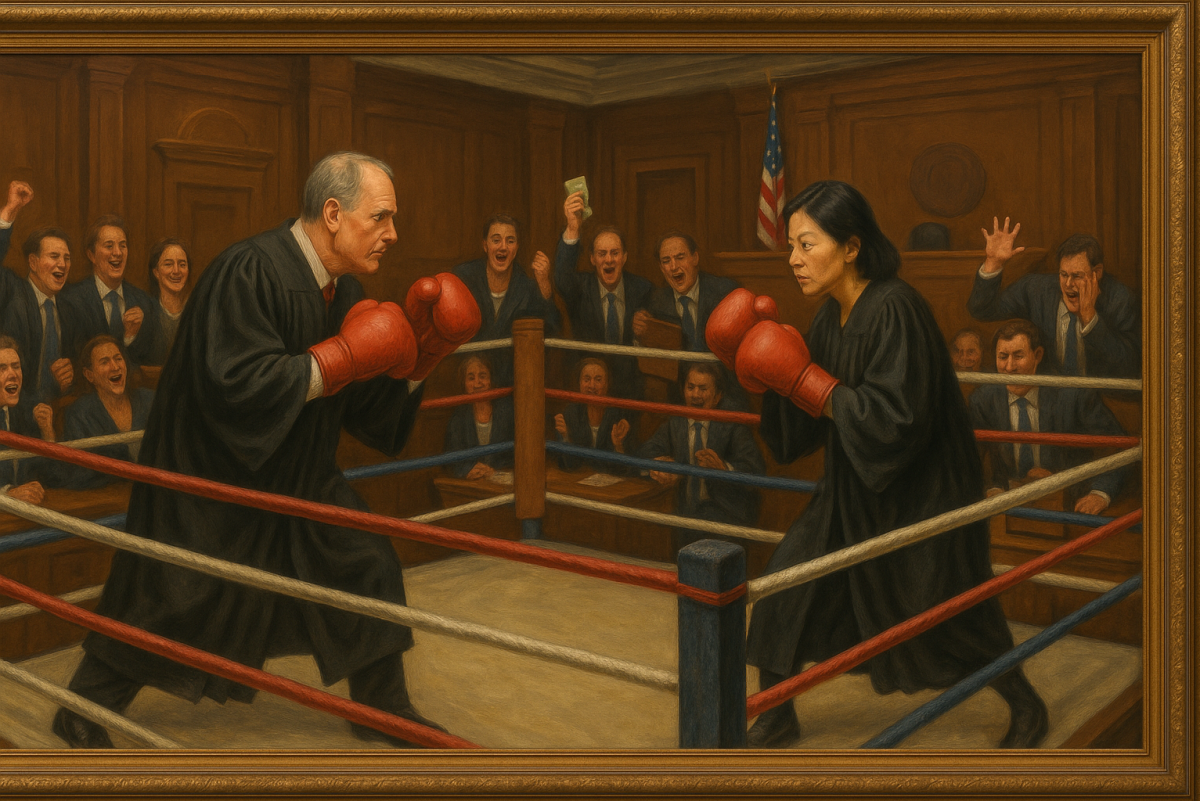
The post-2010 revival of personal jurisdiction in SCOTUS (after a two-decade absence) has been defined in part by narrowing general jurisdiction, including last month
Comments
On your third point, about defendant control, I suppose the outcome puts defendants in much the same position they are with respect to arbitration and forum-selection clauses. Defendants can enforce them, if they believe it will help suppress claims; or when the strategy is peace, they can simply avoid enforcing them or waive those rights. (Much as Wells Fargo did with its arbitration agreement, or as BMS itself did with the special master in NY, who was already coordinating many aspect of the nationwide litigation (inside and outside of California.)
Another question is what this means for MDLs. Aside from filing in a home court, I suppose another way to avoid personal jurisdiction concerns is to apply to the Judicial Panel on Multidistrict Litigation to transfer the cases into multidistrict litigation. Since the 1970s, courts have said MDLs are “unburdened” by questions of personal jurisdiction because an MDL judge retains all of the powers of the court where the claims where the were originally filed. They one could move to certify a class, much like in the NFL or VW litigation.
Of course, MDL litigation is always a crap shoot, so I don’t know how many attorneys would go this route–as opposed to filing smaller cases in state or federal court on behalf of in-state residents. The JPML has virtually unfettered discretion over where the cases go. And the MDL judge has similarly wide discretion over who is on a steering committee, runs the case, and gets lucrative common benefit fees.
But, in either case, it’s a dramatic reminder that plaintiffs are hardly “masters of their complaint” in mass and class actions.
Posted by: Adam Zimmerman | Jun 19, 2017 4:26:39 PM