
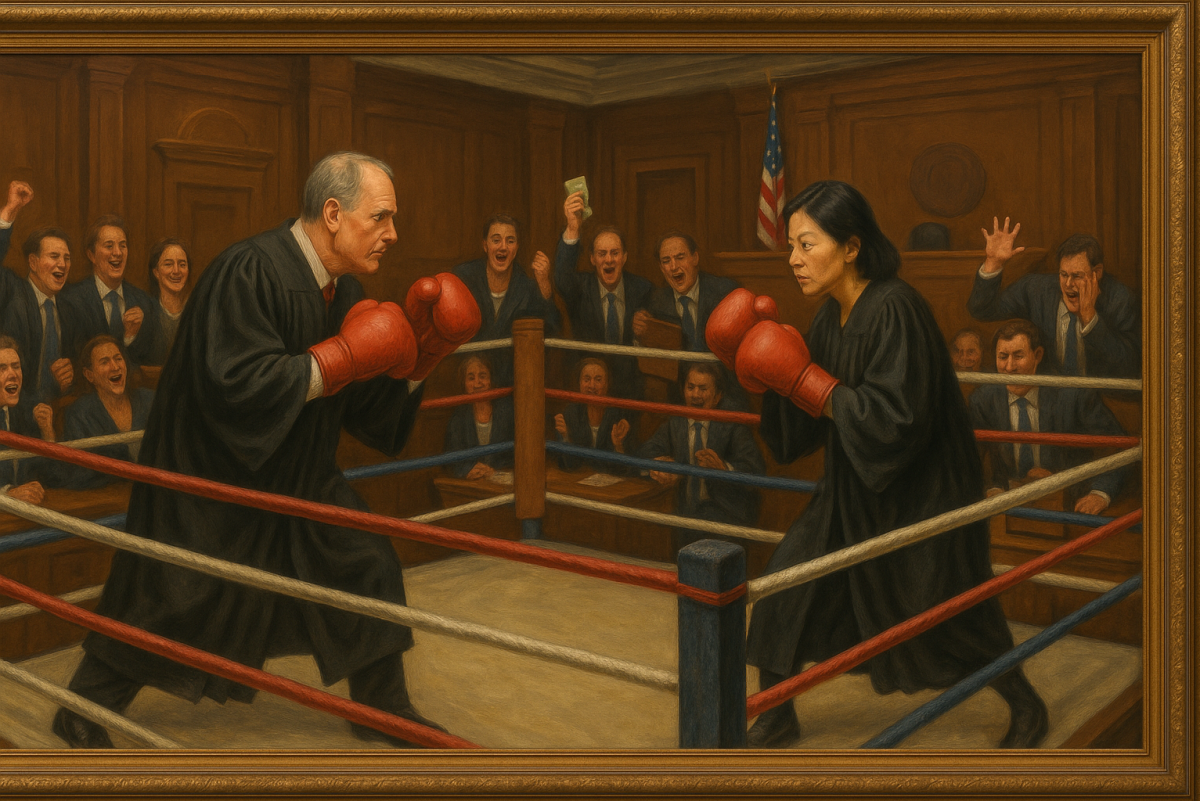
Paul asks what I (and others mean) by free speech culture.
“Free speech culture” originated to capture a commitment to free expression, open debate, free discourse, open, and the exchange of ideas–independent of formal legal First Amendment commitments. It posits that free speech demands more than the absence of government censorship; it demands the absence of all efforts by anyone to suppress, sanction, or limit what people can say, how, and where. It posits a commitment to allowing all ideas to be heard, including ideas one finds offensive.
Free speech culture is the Harper’s Letter. Free speech culture is FIRE’s political (as opposed to its litigation) work. Free speech culture is Jonathan Haidt. Free speech culture is a private university subjecting itself to First Amendment limits. Free speech culture is Disney not firing Gina Carano, radio stations not refusing to play the Chicks, and a general opposition to “cancel culture.”
There is
Unfortunately, the idea has curdled in frequent application. It equates substantive criticism with censorship. it ignores the expressive and associational nature of decisions as to whom to do business with, whom to listen to, and with whom to socialize or engage. It treats social consequences as government censorship or as unlawful harassment. It delegitimizes protest and more speech, where the upshot of a “culture” protecting X’s speech unavoidably silences those who criticize or oppose X or forces critics to, per my prior post, shut up and listen.
White used the term facetiously, to capture how this application immunizes Haidt and NYU from any critics or objections. I was copying his use of the term in this context.